
In late October, I met a self-taught pianist who developed a wrist injury after learning from one of the most widely used methods for adult beginners. She followed the method meticulously, but the pieces themselves were working against her. The static hand positions placed in front of the body led to unhealthy wrist alignment and ultimately to injury.
This is an easy thing to prevent, and below you will find the notes from our Technique Intensive as well as musings on what makes repertoire pianistic.
Technique Intensive Notes From October 27, 2025
Overview
Primary complaints and history: R side wrist pain in R hand after six months of playing piano. (Possible TFCC injury.) Likely caused by ulnar deviation or twisting wrist to bring thumb onto keys. Has been treated by PT for injury and is looking to make changes to prevent further problems.
Movements to Keep: You have excellent stability through the joints of the fingers, but keep in mind a large amount of “curve” leads to tension in the palm. Aim for length + stability. Thumb must sometimes leave the keyboard to achieve full length of fingers.
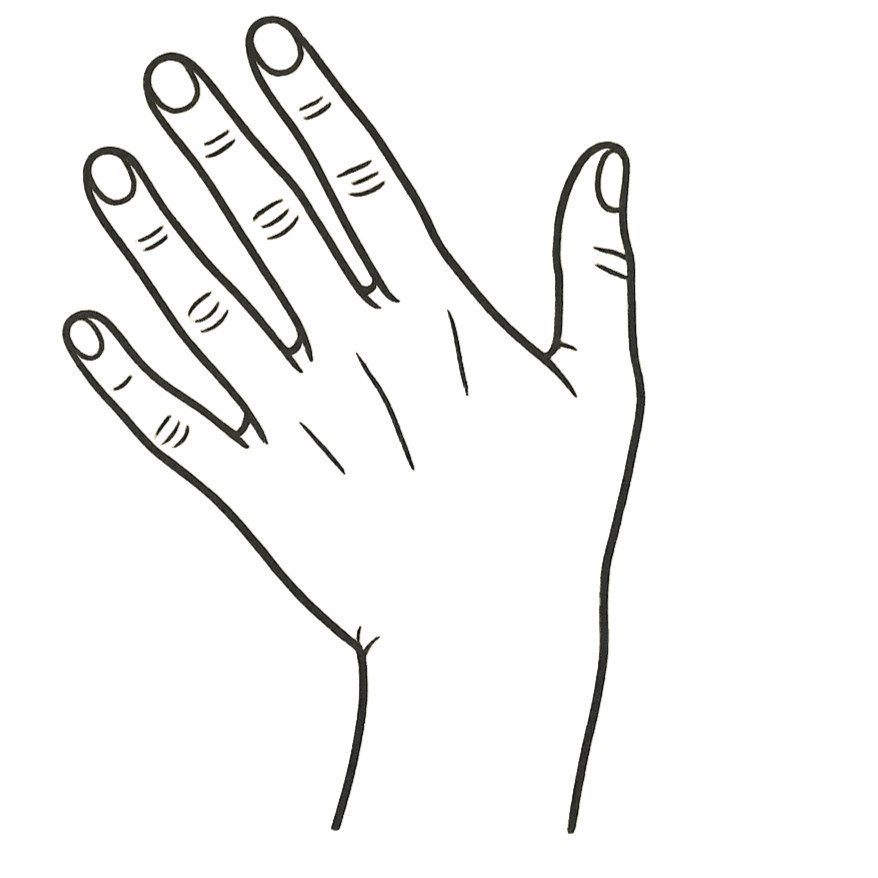
Movements to Avoid: Wrist twisting and dropping
Ulnar deviation. (See image.) Consider moving RH an octave higher to avoid playing in the center of the piano.
Dropping the wrist when you play. With practice you can cultivate the ability to use the arm and shoulder to support the wrist.
For now, be cautious of playing double notes in the RH. If you play them, make sure they are played from the entire forearm bending at the elbow and that wrist is aligned.
Movements to Improve: Alignment and support of the arm
Sense of arm weight and freedom of shoulders
Keeping straight line from elbow to each individual finger. It all be different for each finger
Things to Explore
Five-finger scale with in and out on the keys:
Fingers+forearm together in (towards fallboard) and out (towards your body) so that the wrist can remain aligned. Shift in and out positions in between notes
Play the key from you whole forearm instead of individual fingers
Check that wrist is slightly higher than elbow and knuckles, wrist is neutral and not twisted, play with a slightly different wrist position for each finger
Soft/temporary rule: When the middle finger is on the piano, the thumb is NOT on the piano.
In your repertoire, exaggerate the in and out movement to break the habit of fingers camping out on the keys
Arm weight and support from shoulders:
As you play, periodically drop the arm at your side to release tension from the shoulder.
Let it hang by your side and bring it to your lap and drop
Let it hang by your side and bring it to the keys allowing the wrist to lead
Take a deep breath, as this can help.
Bench Arrangement:
Elbows approximately level with tops of keys.
Far enough away that elbows can graze the front of the tummy/ribs.
In my studio the bench was 18.5 inches high and the tops of the keys are 28.5 inches high
Use a music stand placed at eye level as the music rack
Recommendations for self-study:
What Makes Repertoire Pianistic?
Have you ever wondered why some piano pieces fit perfectly into your fingers while others cause constant difficulty? Lately, I’ve been exploring that question through the Mikhail Pletnev transcription of Dance of the Sugar Plum Fairy.
I fell in love with this transcription because despite the many leaps, it feels more comfortable than the traditional arrangement. The gorgeous chord voicings fit the body perfectly, while sounding fuller and more pleasing than the standard reduction. Pieces like this, which feel natural and ergonomic, are referred to as pianistic. If a piece can feel effortless because it is pianistic, the opposite can also be true and I see so many clunky beginner pieces that actively promote poor technique.
Here’s just a few ways to spot high quality beginning and intermediate repertoire:
Suggests strong fingers instead of any finger that happens to be available in a five-finger position
Avoids stretchy fingering
Moving through a variety of hand positions and registers
Limited or temporary use of the thumb on middle C in order to avoid ulnar deviation
Clearly marked phrasing and articulation that encourages natural movement of the arm
Space for the arm to release and breathe
It’s my mission to help pianists improve their technique through a somatic process that places healthy movement front and center. If you would like personalized support, book a free consultation here!